Automotive lighting hub
See farther. Choose smarter.
Research-led guidance for LED headlight bulbs, fog lights, light bars and practical visibility upgrades—organized around compatibility, beam quality and real installation needs.
Explore lighting guidesHow we evaluate
✓ Compatibility first✓ Beam pattern over raw lumens✓ Limitations explained
Shop by lighting need
Start with the job, not the brand
Choose a lighting category with a published guide, or see which topics are still in development.
Headlight Bulbs
Fitment, beam pattern, cooling design and low/high-beam configurations.
Explore criteria →Fog Lights
Compare white and yellow H11 listings after checking socket, lamp position, clearance and local color requirements.
Read the fog-light comparison →LED Light Bars
Off-road beam patterns and installation guides are in development.
Guides coming soonInterior Lighting
Check the bulb type and dimensions for each cabin-light position before buying a replacement.
Read the live guide →Rear & Signal Lights
Browse live guides for brake, tail, third-brake and license plate lights.
Explore live guides →Headlight Aiming
Check the beam safely and see when professional aiming is the better choice.
Read the live guide →Featured buying guide framework
Start with a vehicle-specific bulb guide
Start by confirming bulb size and lamp position for your vehicle. Then compare beam control, installation space and electrical requirements.
First checkBulb size & housing
Optical priorityControlled beam pattern
InstallationClearance & cooling
Final checkAim & warning lights
Published guides
Published lighting guides and product comparisons
Start with the problem you need to solve. Confirm fitment before choosing a replacement, or check the beam safely before adjusting anything.
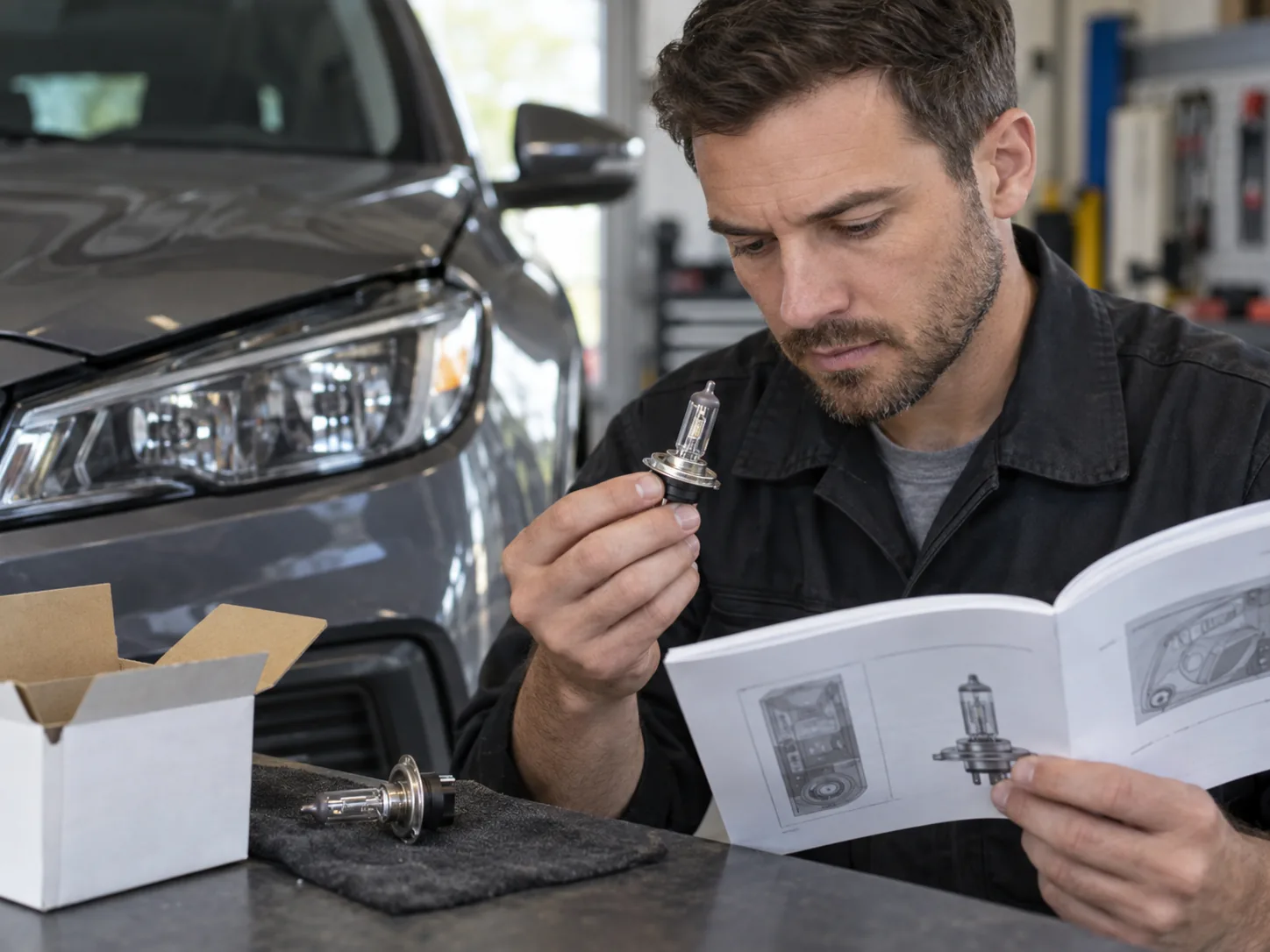
H11 Headlight Bulb Guide
Find the right H11 fitment for your vehicle and understand what to verify before an LED replacement.
Read the fitment guide →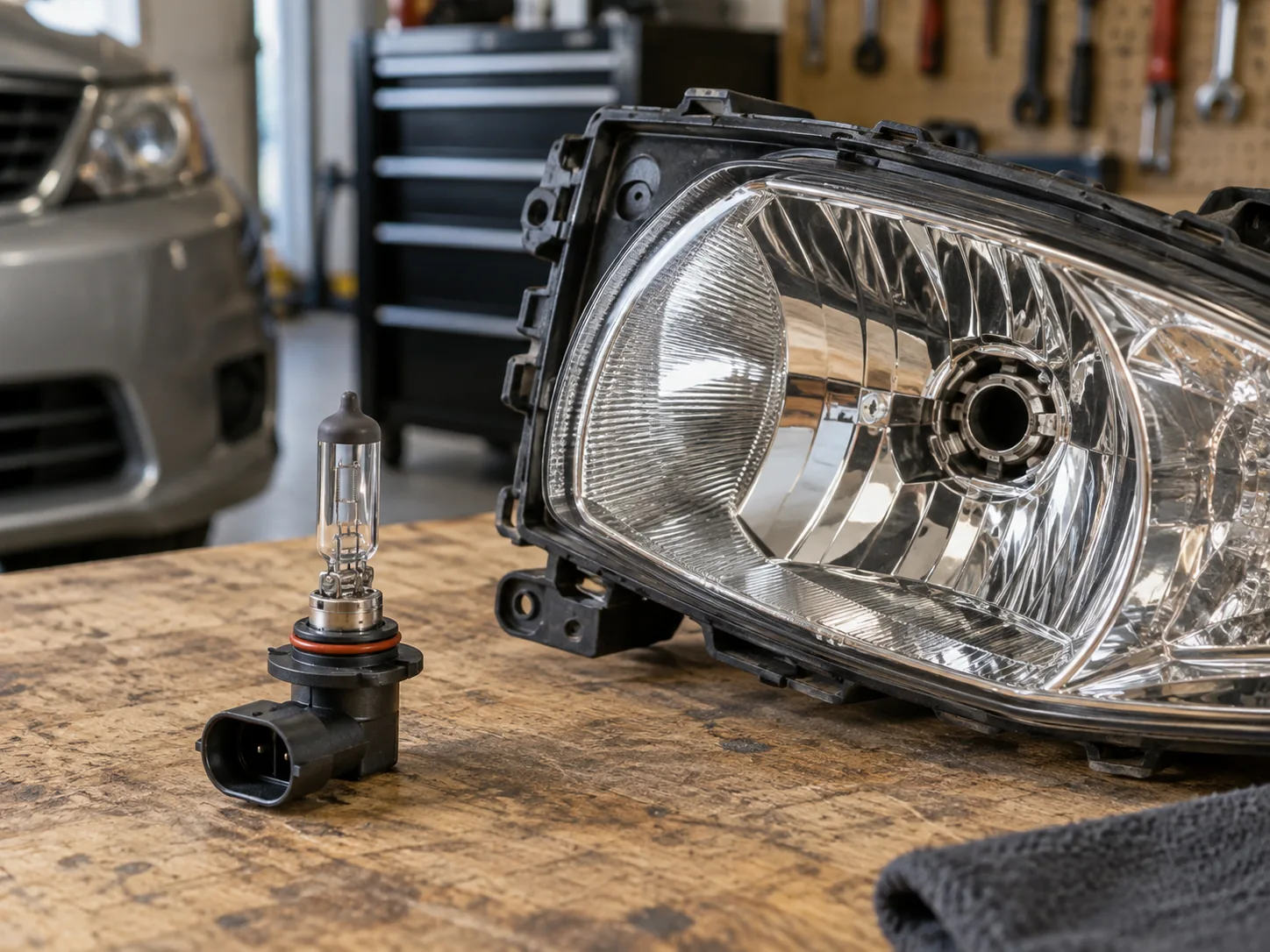
9005 Headlight Bulb Guide
Check whether 9005/HB3 belongs in the correct lamp position and what to confirm before you buy.
Read the fitment guide →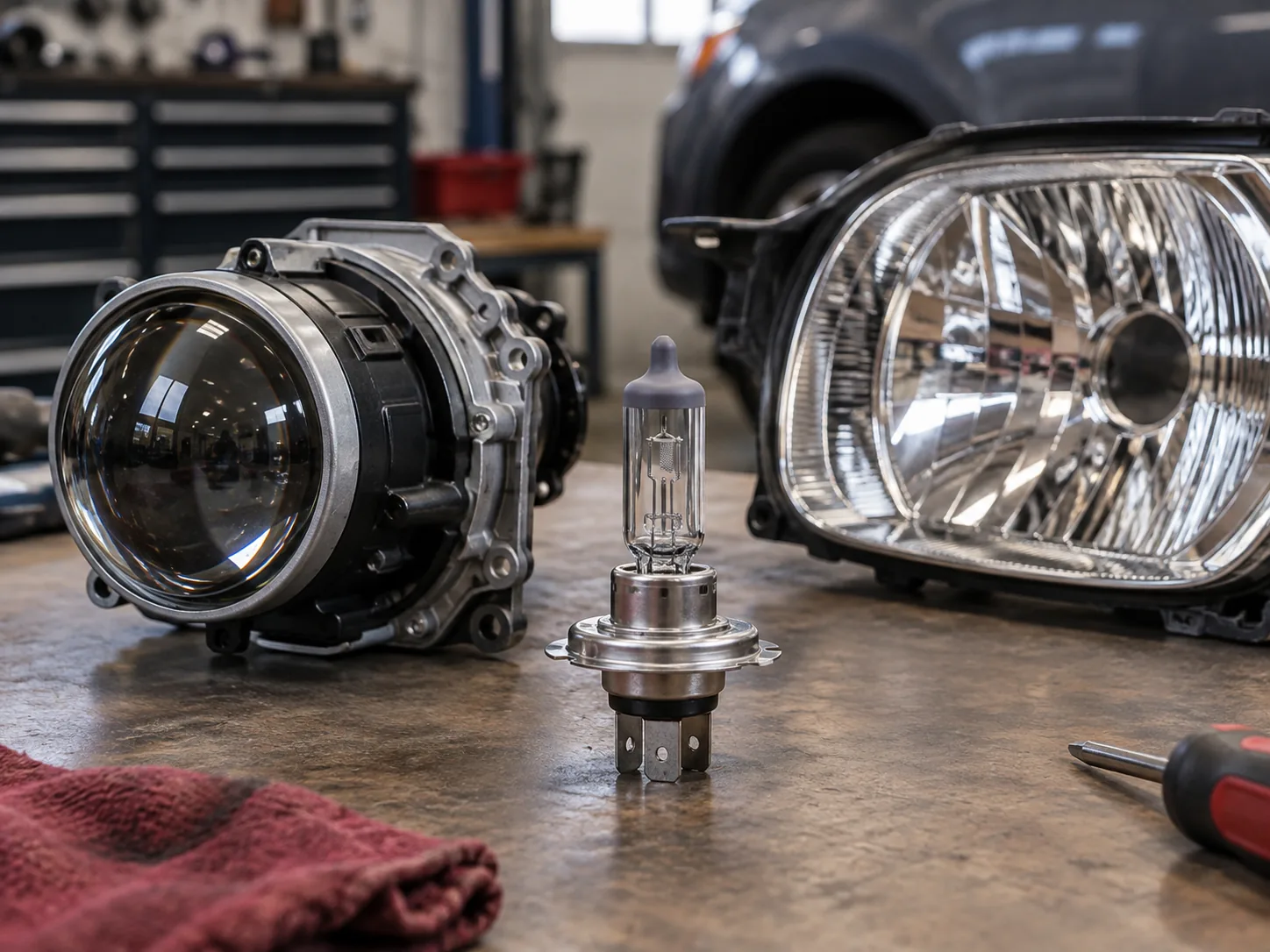
9007 Headlight Bulb Guide
Verify whether 9007/HB5 fits your exact vehicle and review checks before buying.
Read the fitment guide →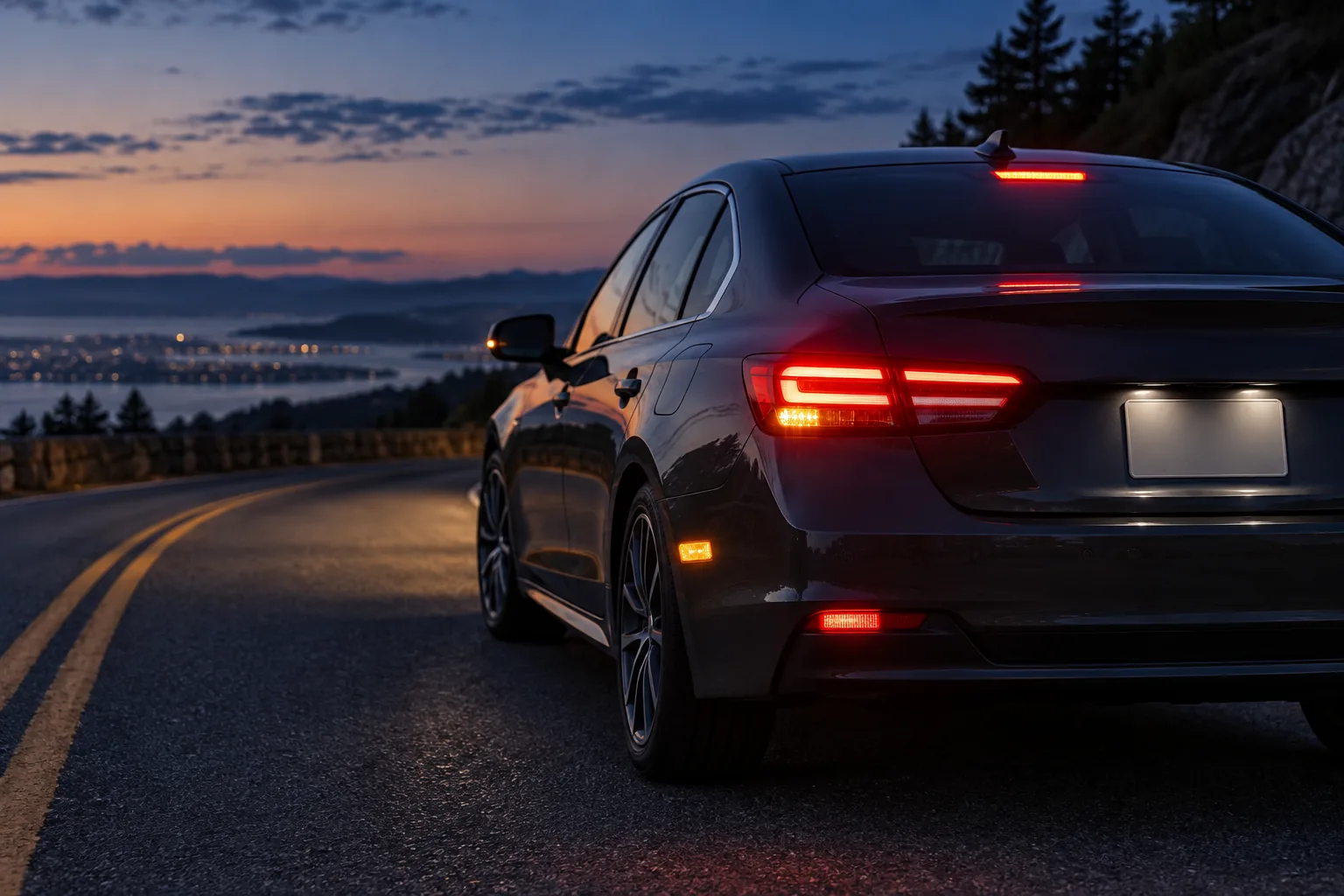
Brake and Tail Light Bulb Guide
Identify the replacement type and verify the right brake, tail or combined lamp position.
Read the replacement guide →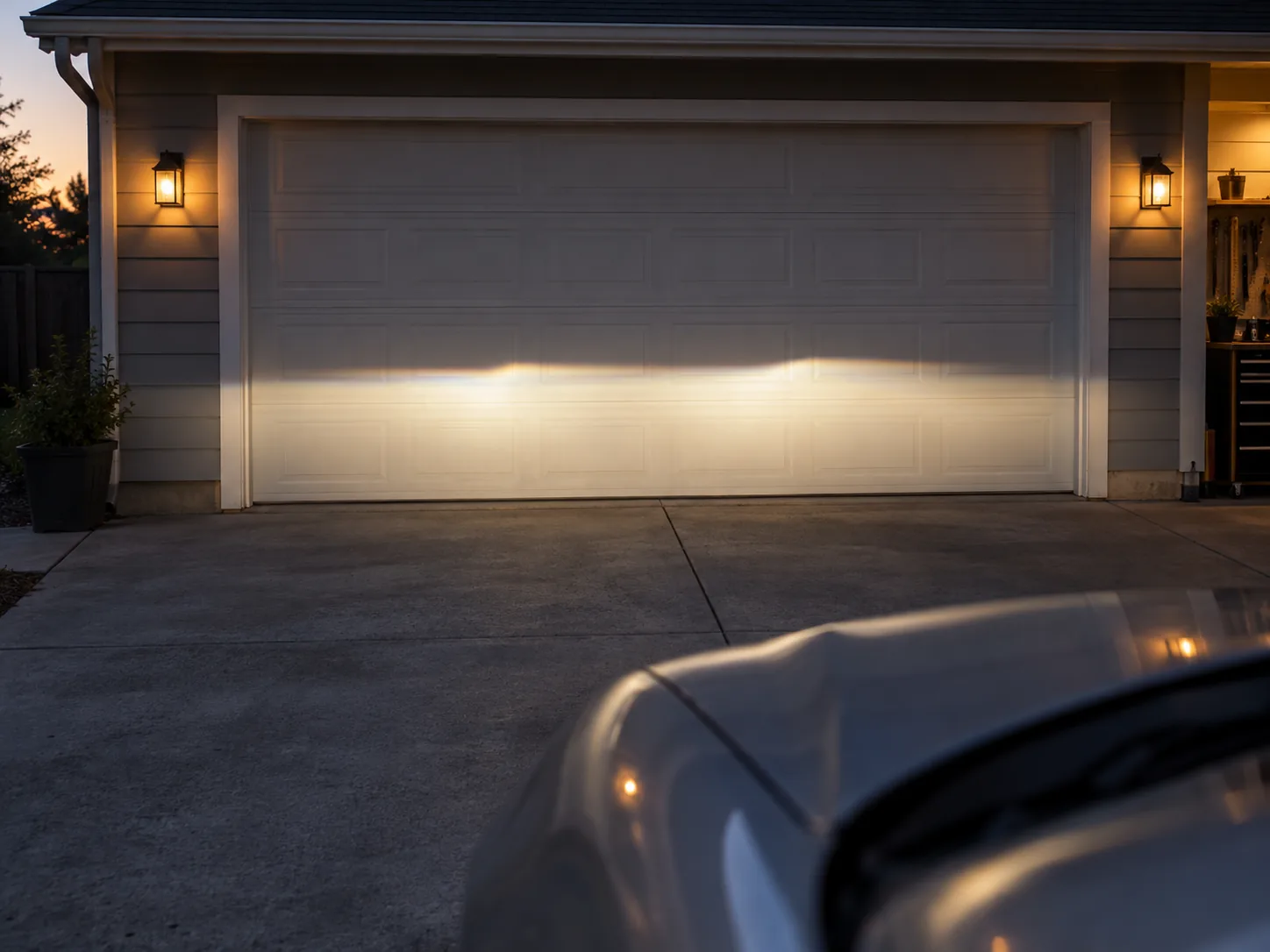
How to Adjust Headlights Safely
Learn what to inspect first, when a wall check is appropriate and when to seek a professional.
Read the aiming guide →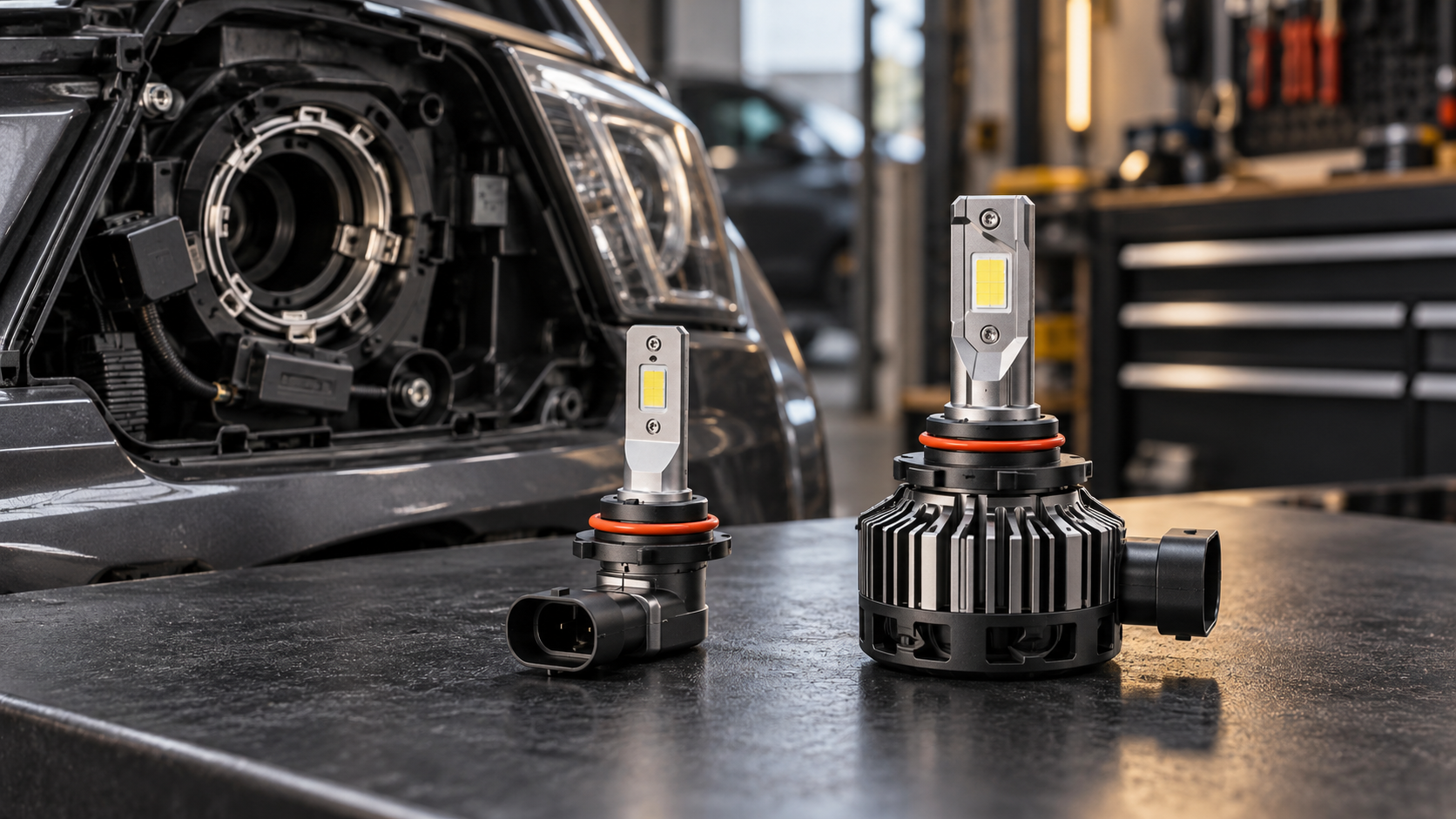
AUXITO Y13 vs. Q16 H11 LED Bulbs
Compare manufacturer-listed design and output differences, then check vehicle fitment and rear clearance before choosing either kit.
Read the model comparison →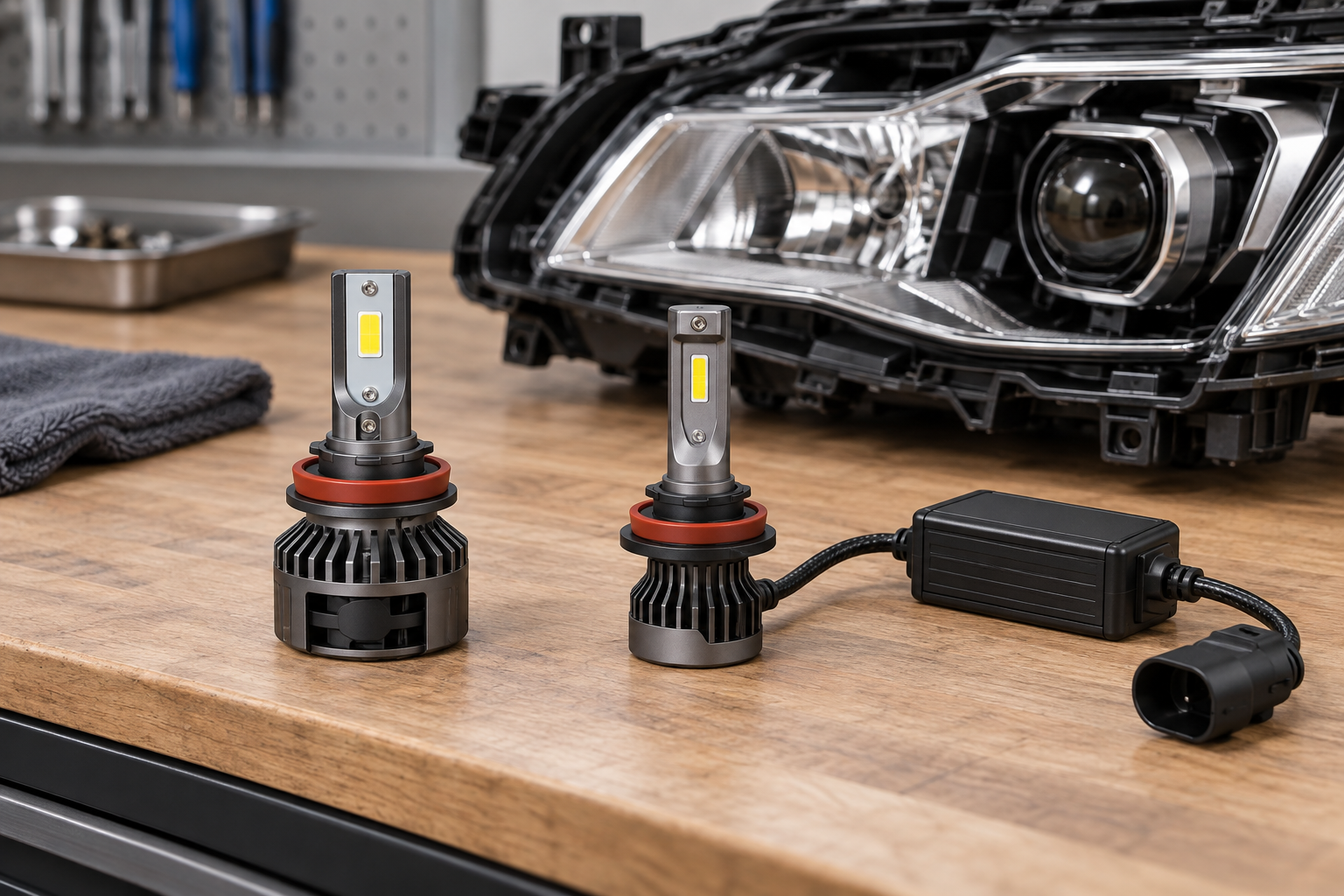
Best AUXITO H11 LED Bulbs
Compare AUXITO H11 designs and listed specs, then check headlamp fit, clearance, beam evidence and road-use rules.
Compare buying options →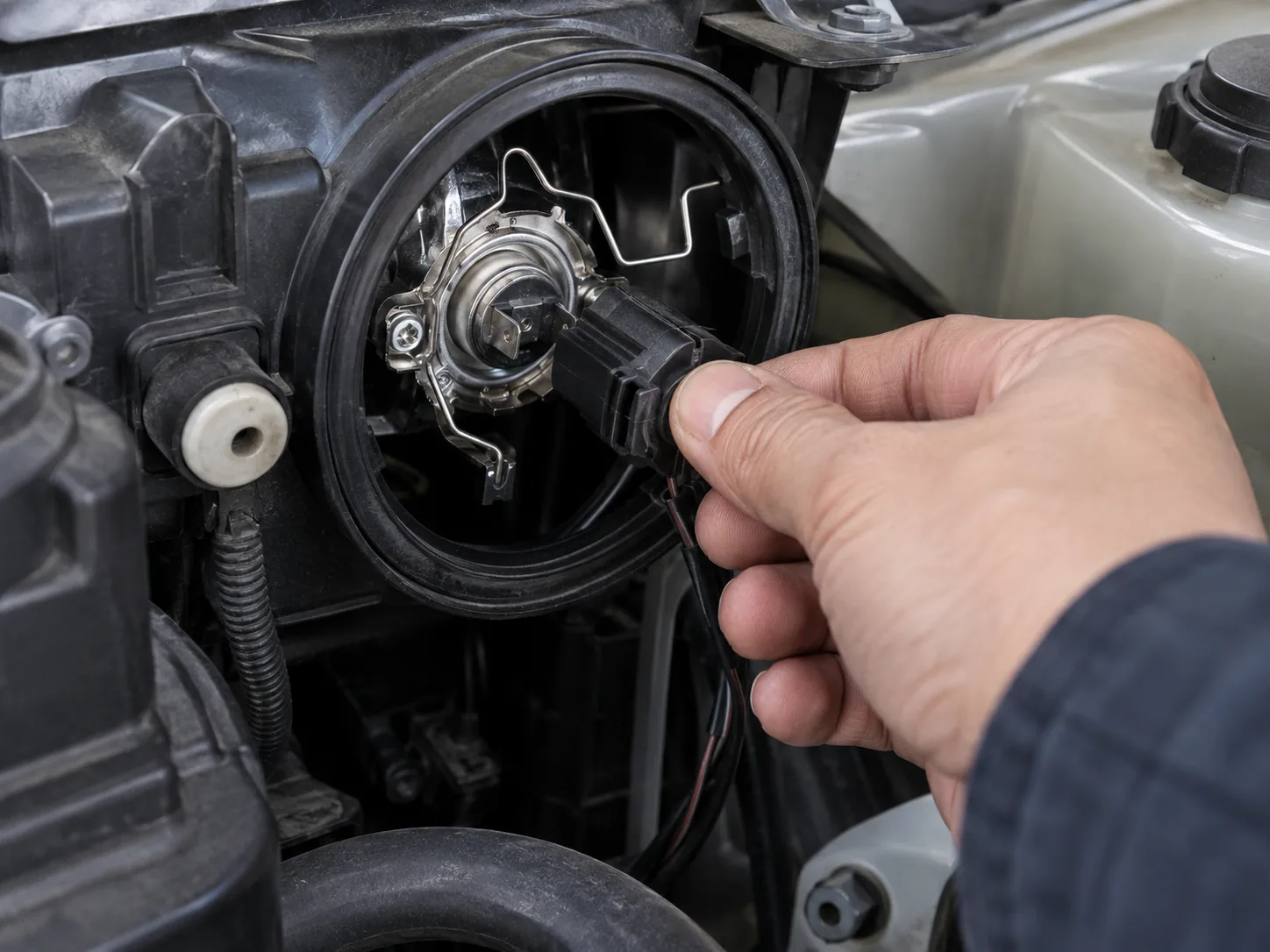
Best AUXITO H7 LED Bulbs
Compare AUXITO H7 options with attention to retainers, adapters, cooling layout and rear clearance.
Compare buying options →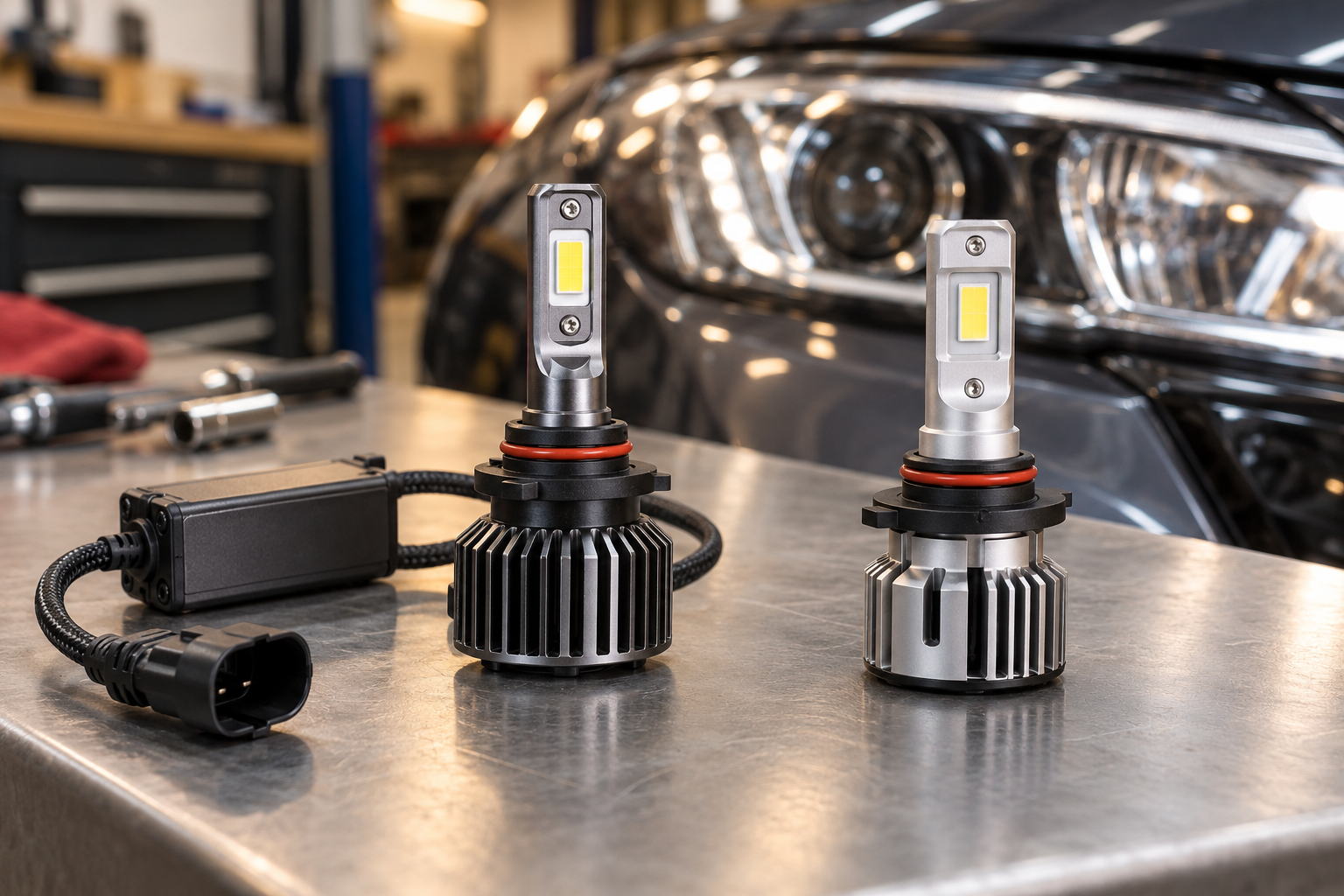
Best 9005 LED Headlight Bulbs
Review AUXITO 9005 listings, but confirm lamp position, DRL behavior, clearance and road-use requirements first.
Compare buying options →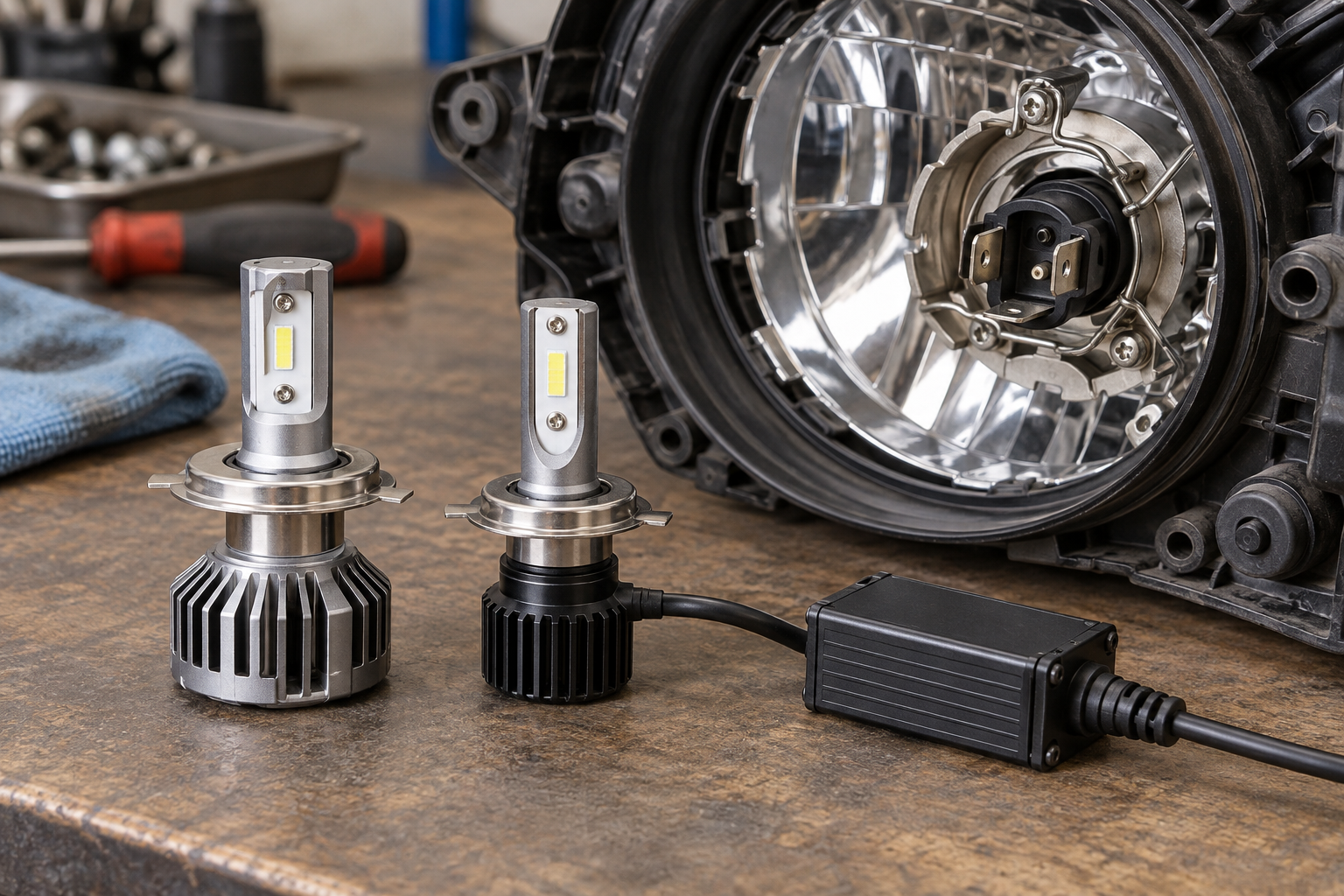
AUXITO H4/9003 LED Bulbs: M6 vs. Y13
Compare listed designs only after confirming both beam modes, DRL behavior and the full installation clearance.
Read the H4 comparison →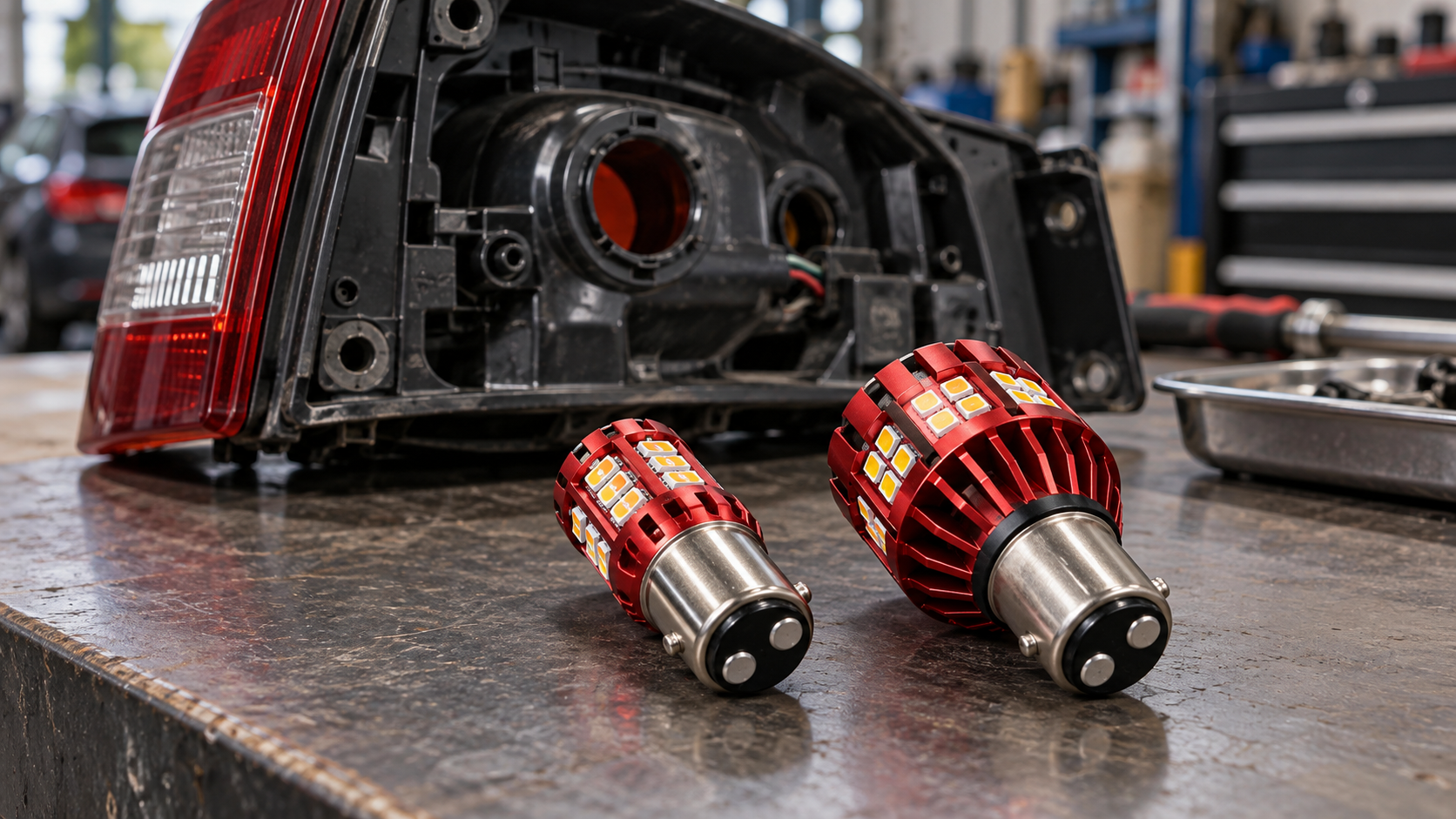
AUXITO 1157 LED Brake/Tail Bulbs
Compare red dual-brightness options after verifying the exact rear position, socket and lamp function.
Read the 1157 comparison →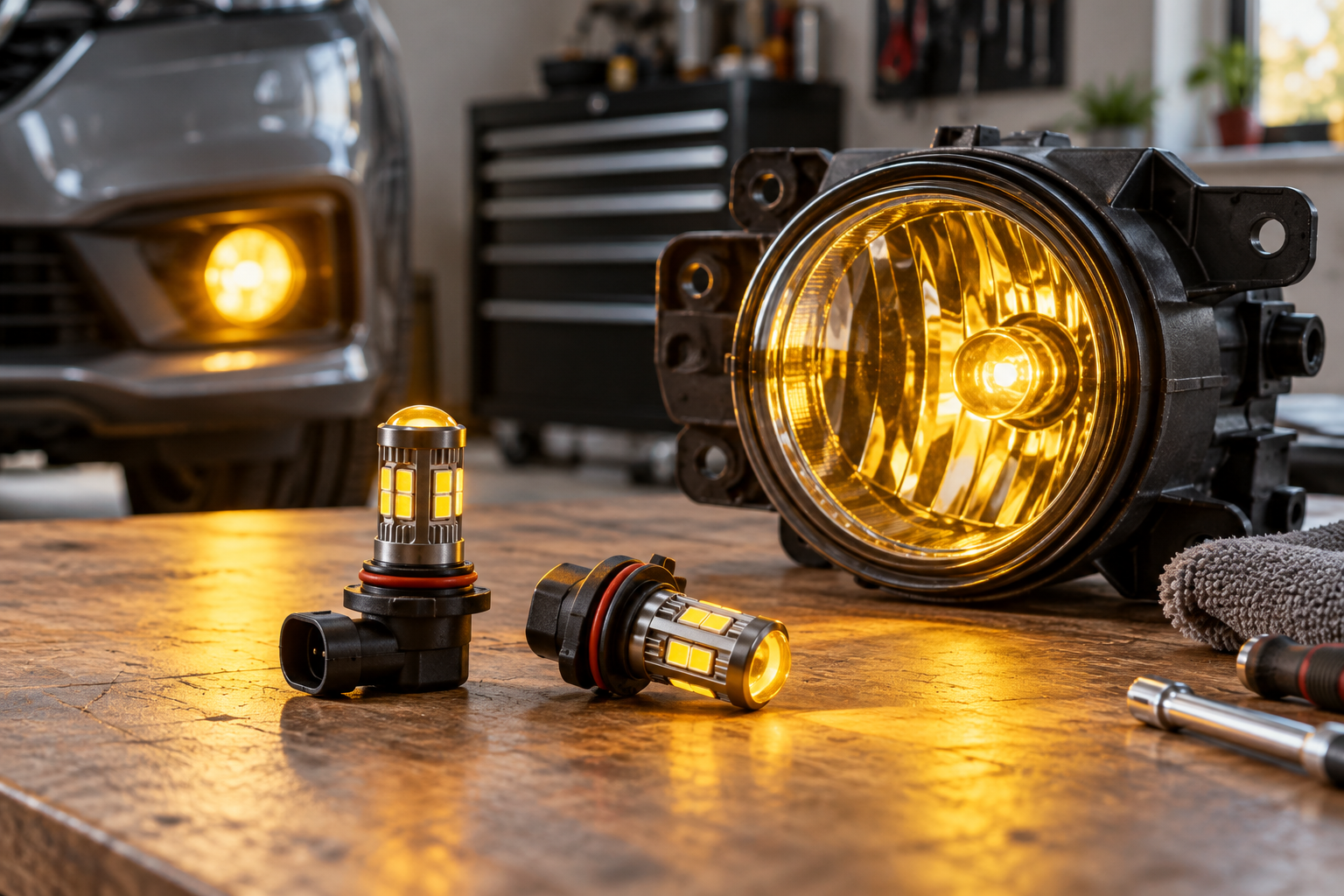
AUXITO H11 Fog Bulbs: White vs. Yellow
Compare manufacturer-listed color and design; the listings do not establish which performs better in your fog lamp.
Read the fog-light comparison →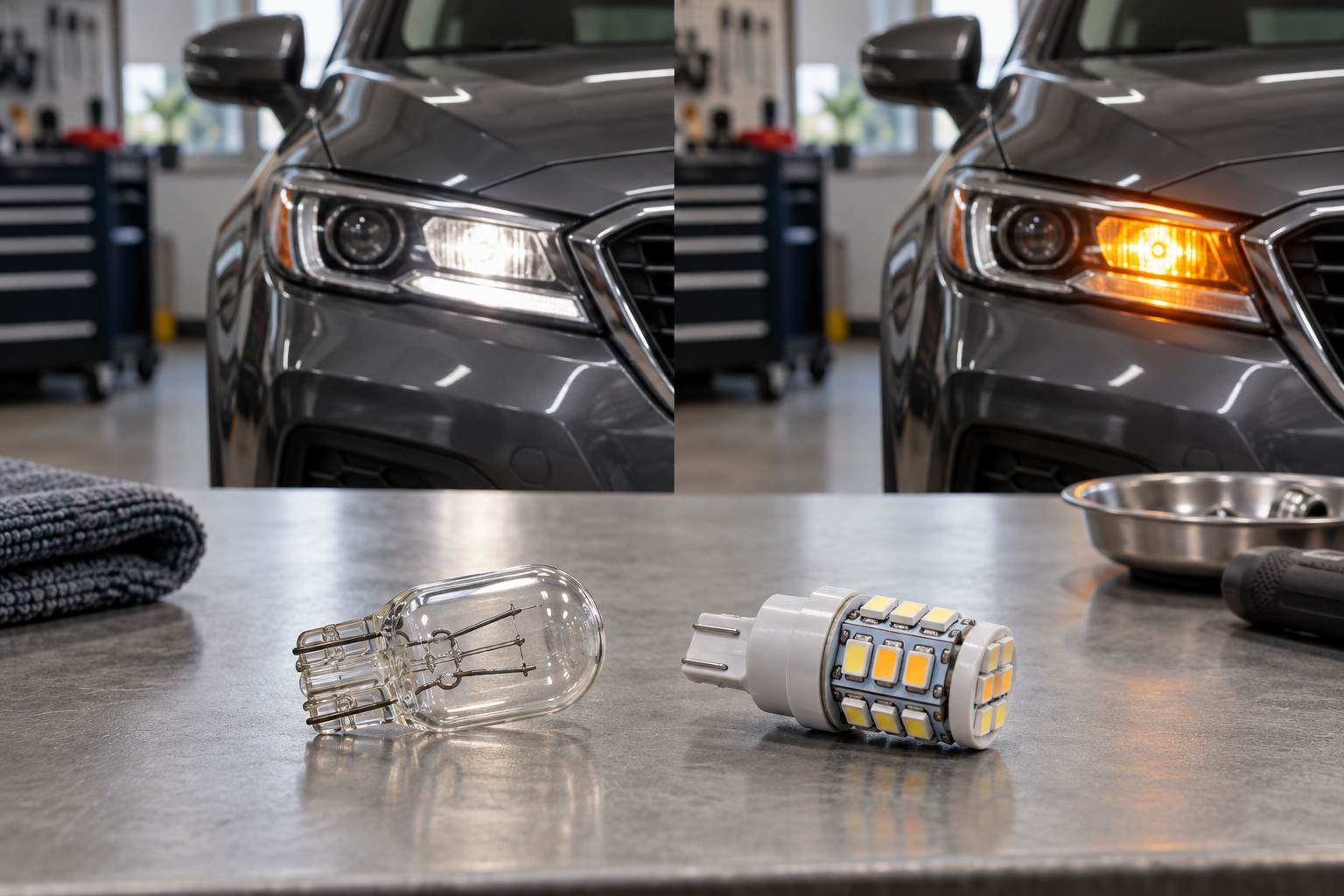
AUXITO 3157 Switchback LED Bulb
Check exact front-lamp position, bulb base, lens color and application notes before choosing a switchback.
Read the fitment checks →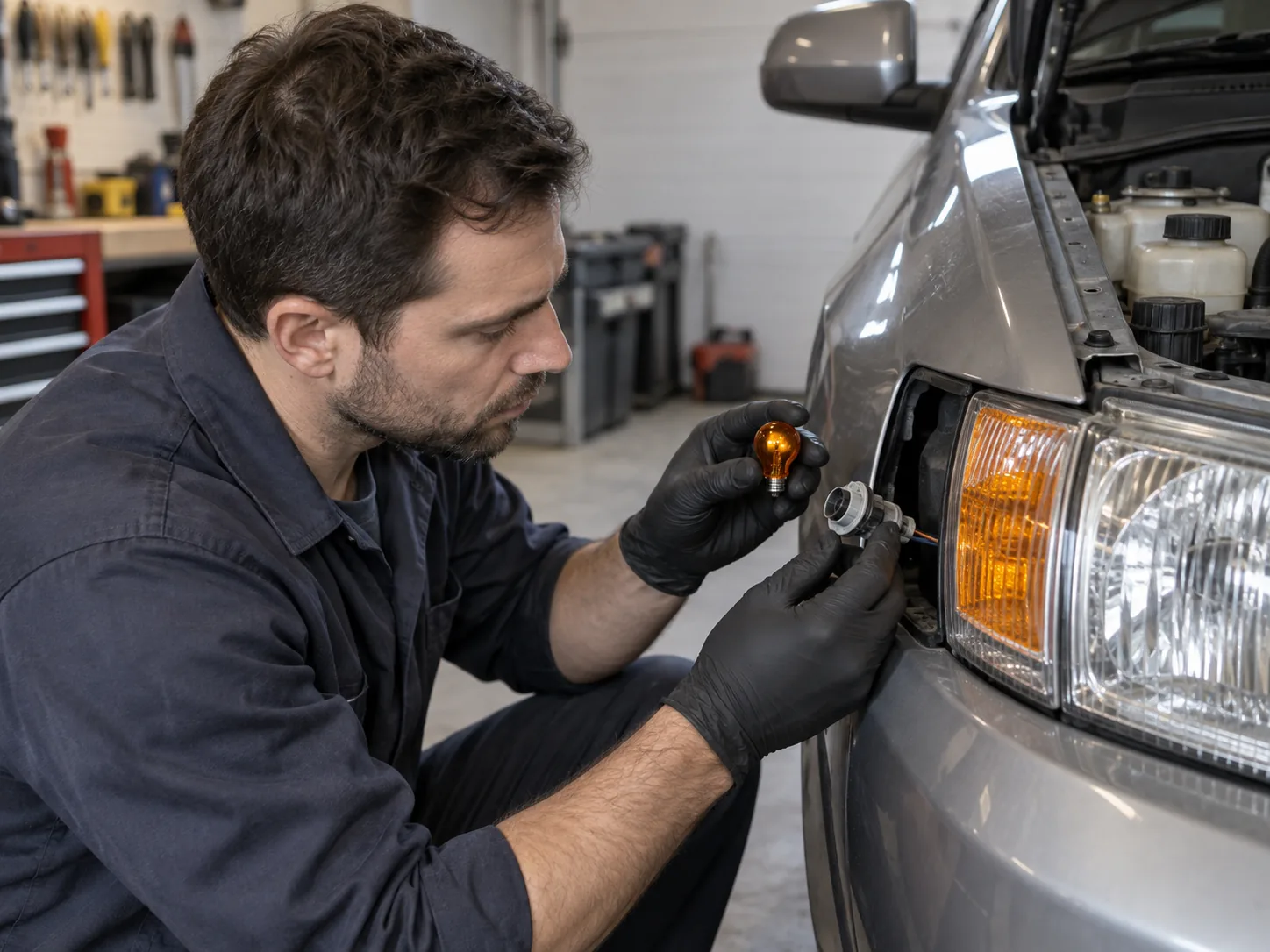
Turn Signal Bulb Guide: Fitment, LED & Hyperflash Checks
Confirm exact lamp position and bulb base; understand what rapid flashing can indicate before switching to LED.
Read the fitment guide →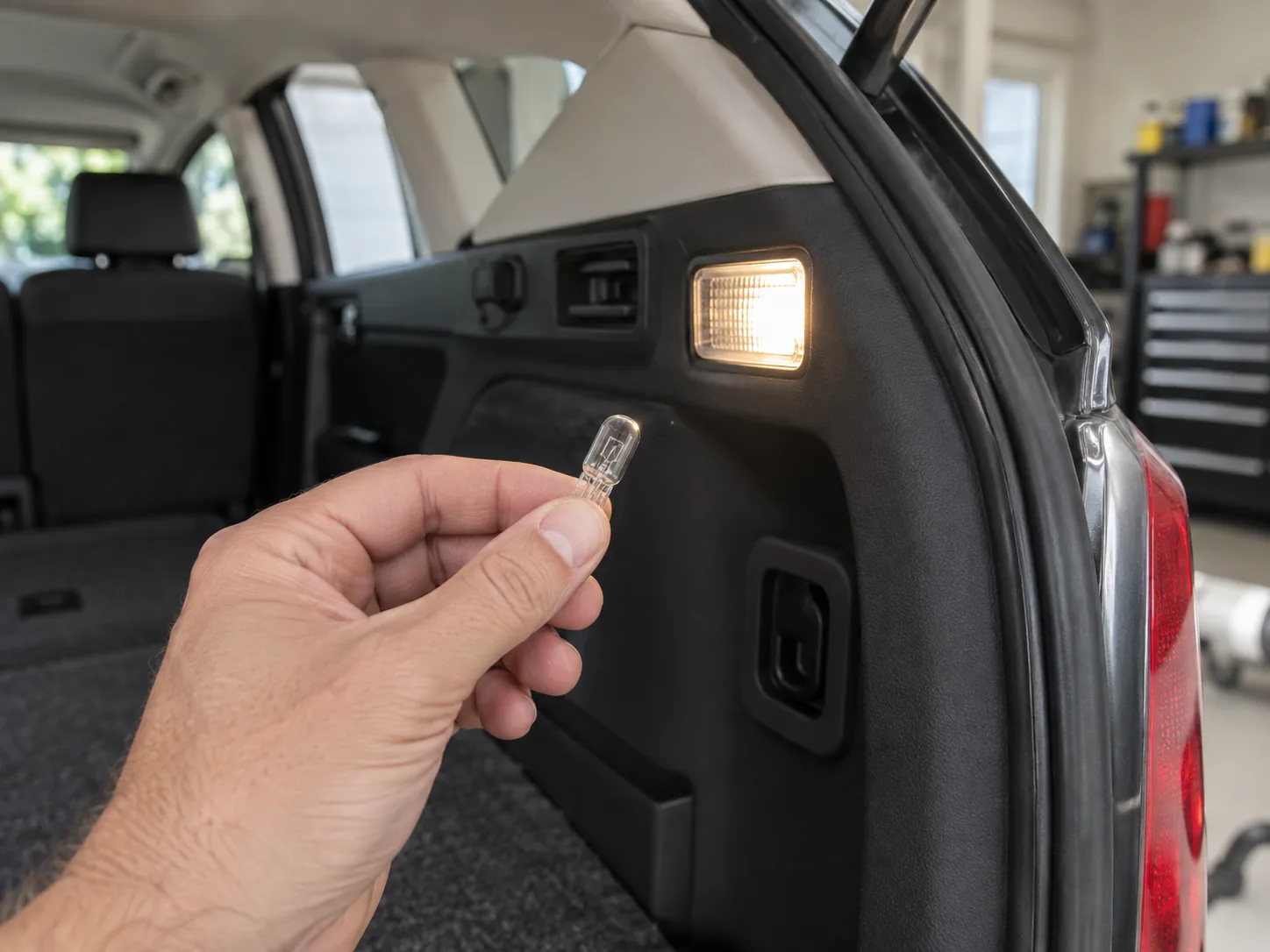
921 Bulb Guide: Reverse Light, Cargo Light, and LED Replacement Checks
Confirm whether 921 is specified for your reverse or cargo-light position, then verify the exact replacement before ordering.
Read the replacement guide →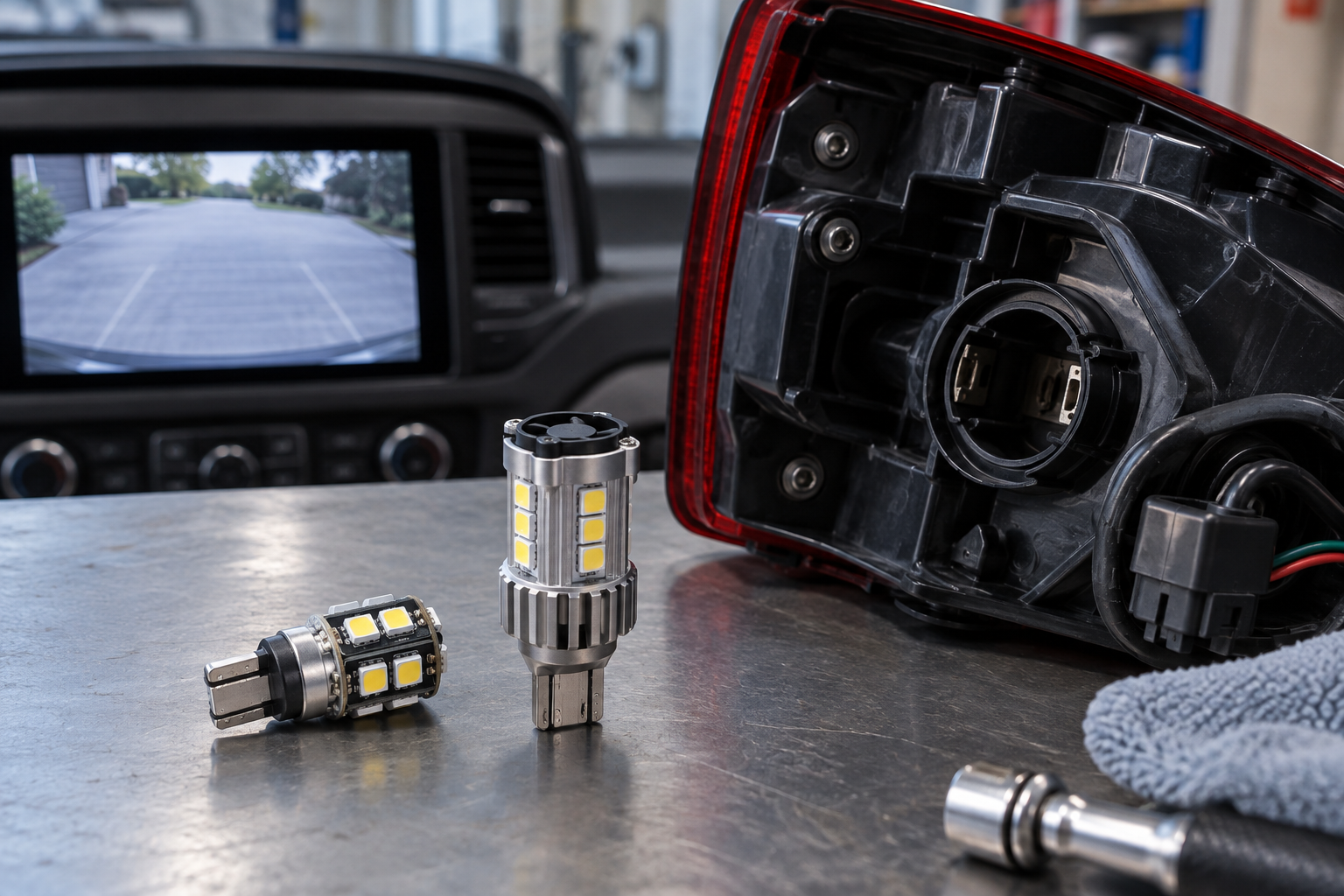
Reverse Light Bulbs: Upgrade and Replacement Guide
Check the bulb code, socket and lamp housing before choosing a halogen or LED replacement.
Read the replacement guide →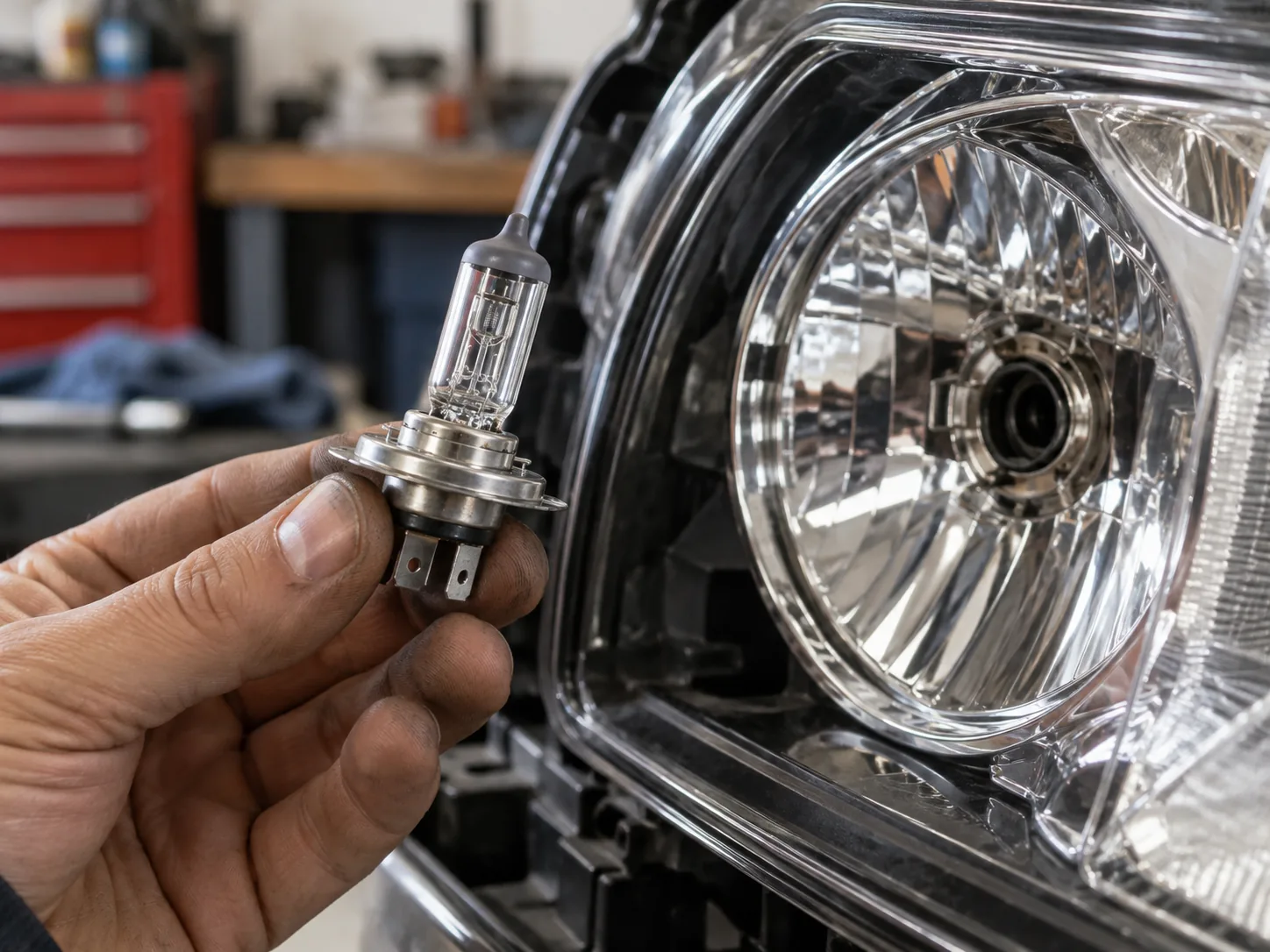
H4 Headlight Bulb Guide: Dual-Beam Fitment and Replacement Tips
Check the two-beam socket, bulb retention, rear clearance and road-use limits before choosing an H4 replacement.
Read the dual-beam guide →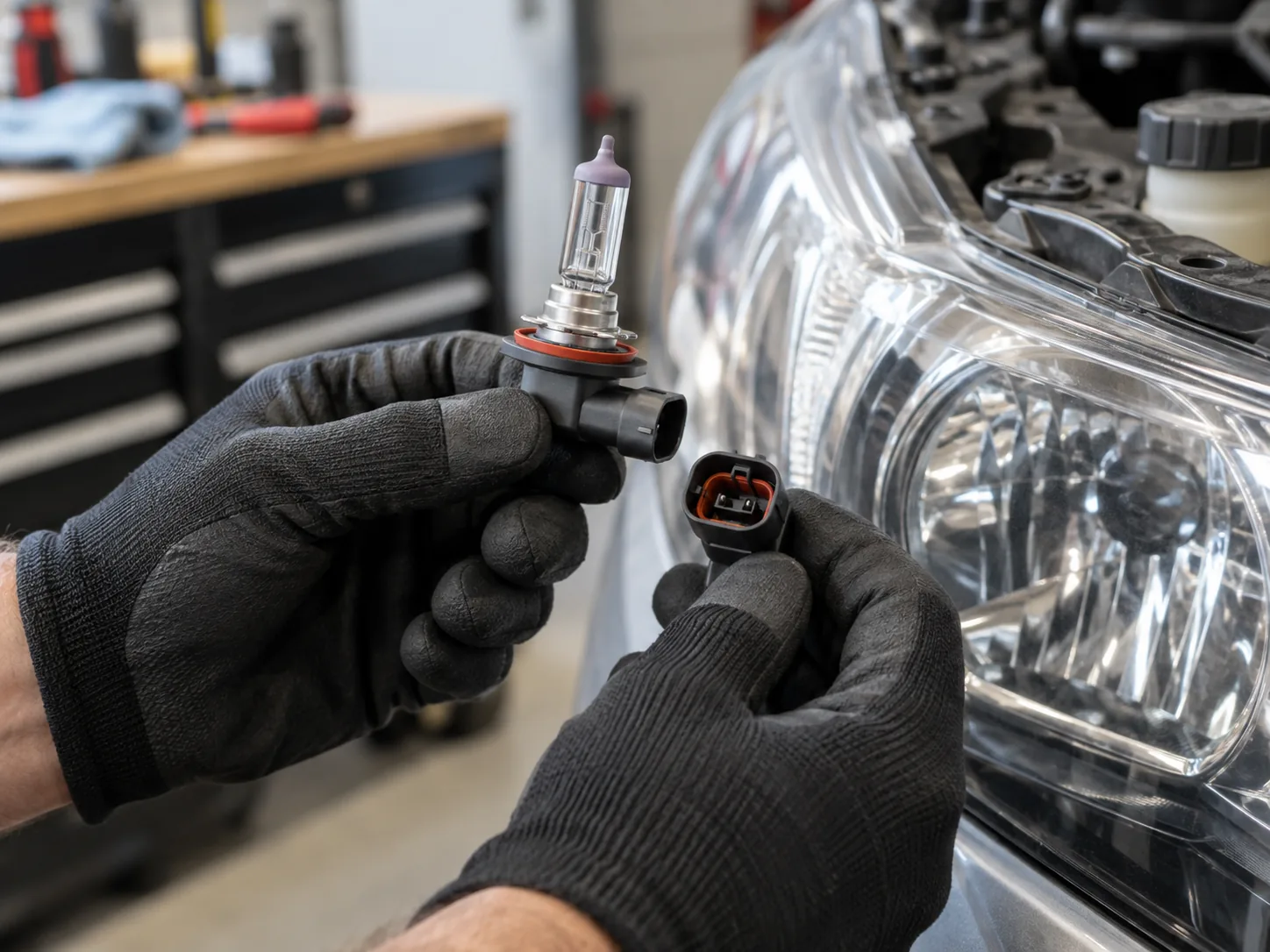
9012 Headlight Bulb Guide
Check whether 9012/HIR2 is specified for your vehicle and lamp position, then verify housing clearance before choosing a replacement.
Read the fitment guide →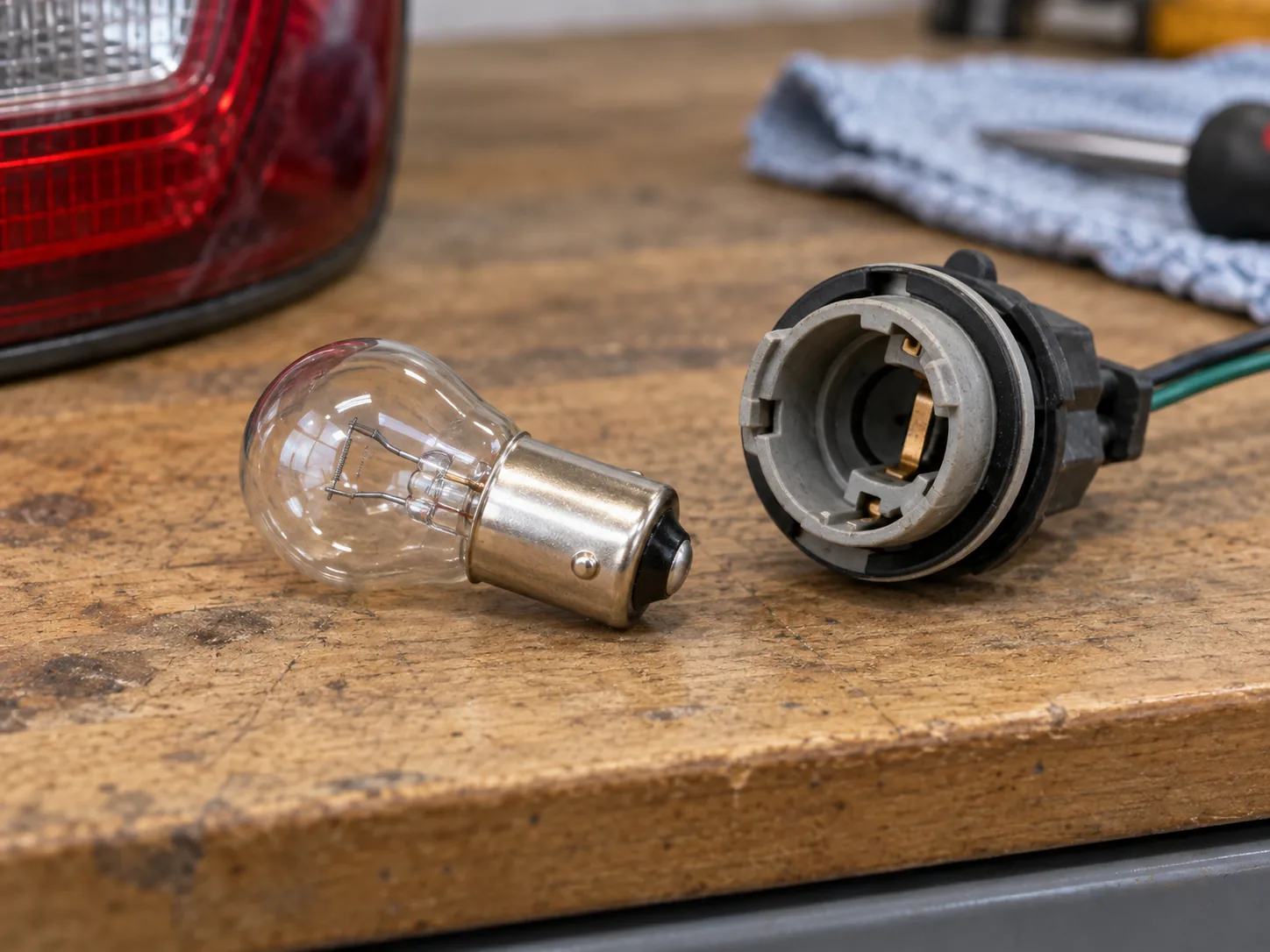
1156 LED Bulb Guide: Single-Function Fitment and Buying Checks
Confirm the lamp position and single-function socket, then check color, polarity-sensitive LED behavior and vehicle-specific fitment.
Read the fitment guide →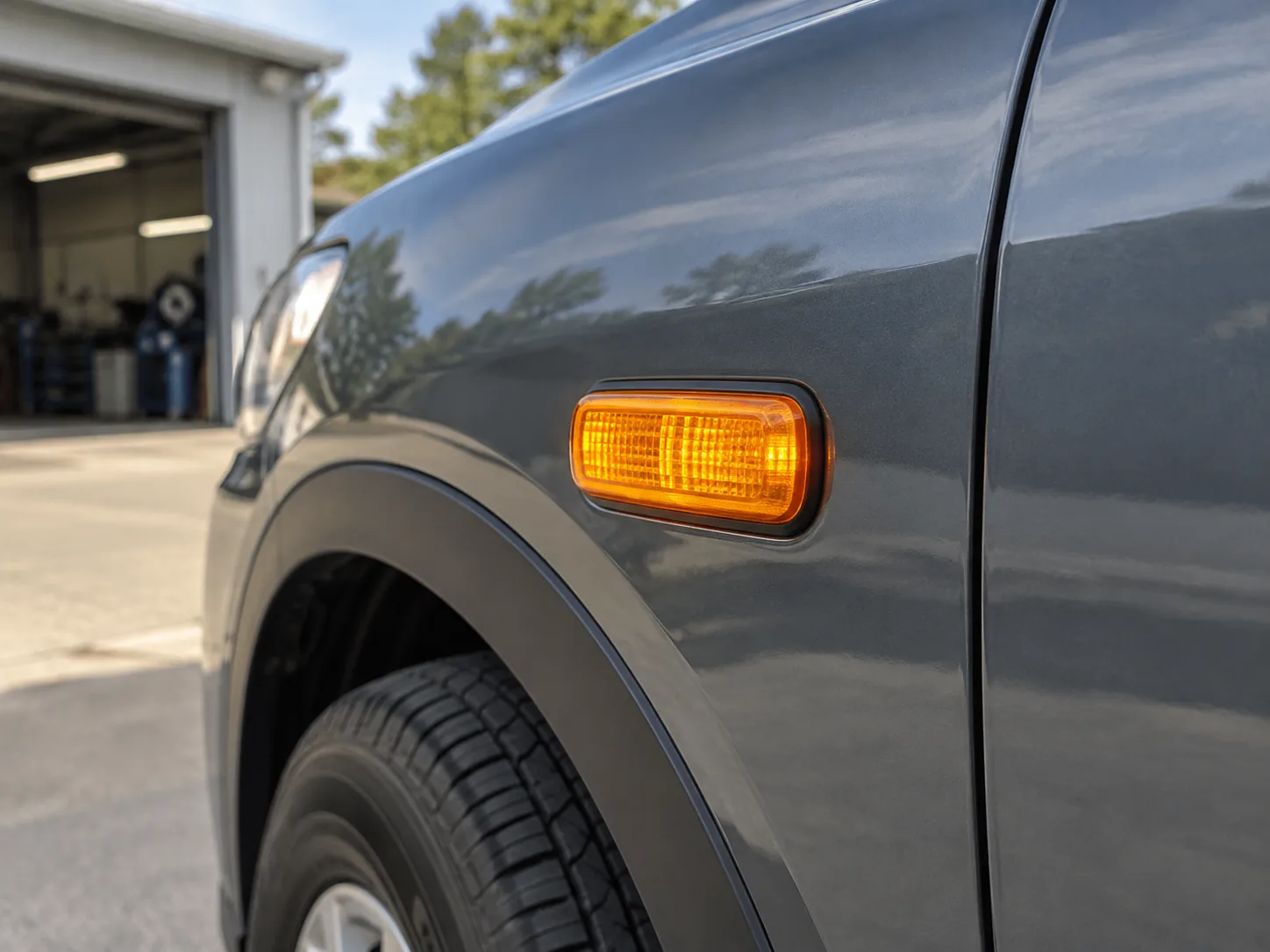
Side Marker Lights Guide: Fitment, Color, and Replacement Checks
Determine whether you need a bulb or complete assembly, then verify vehicle fitment, visible color and signs of moisture.
Read the replacement guide →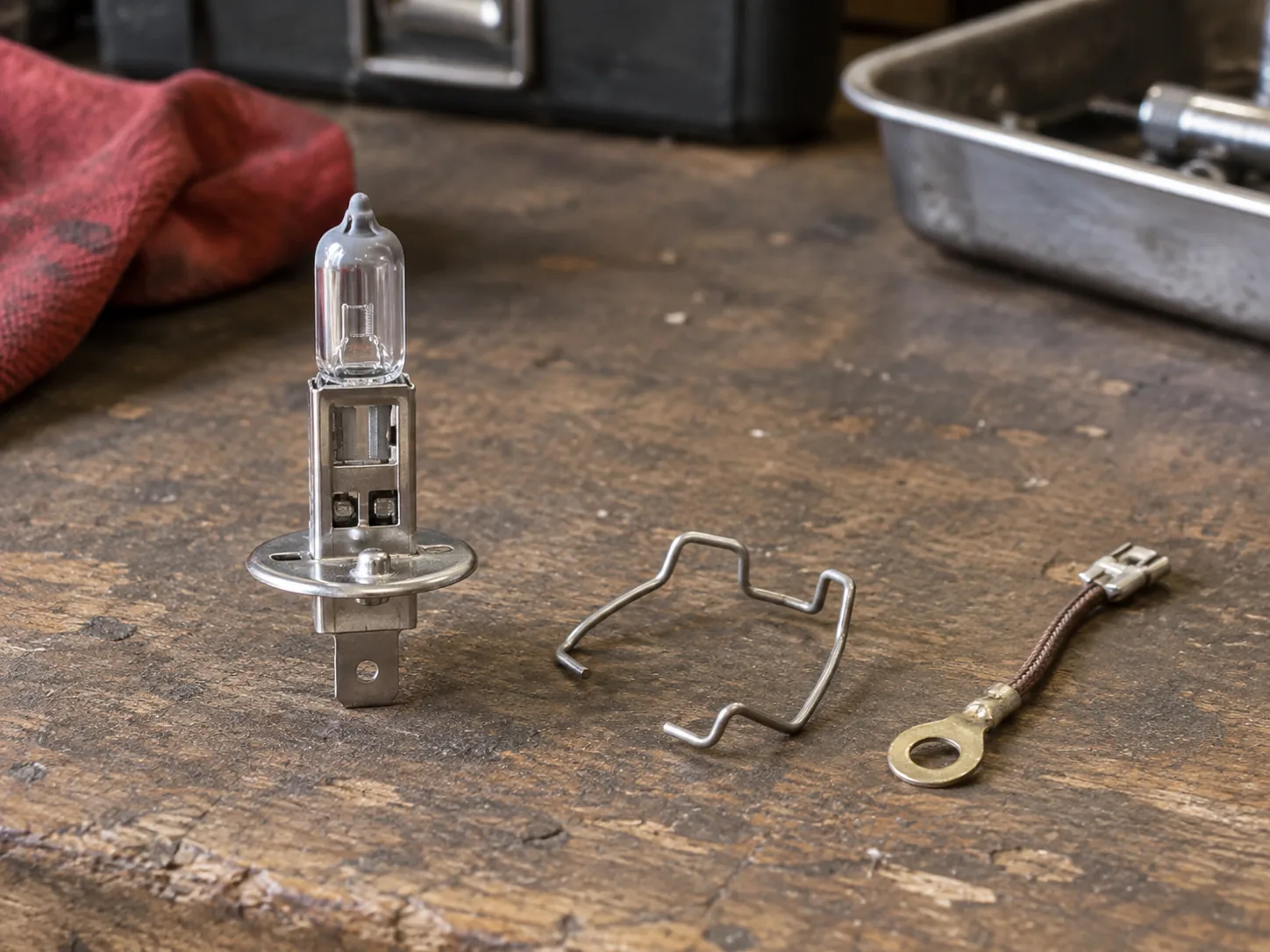
H1 Bulb Guide: Where It Fits and What to Check Before Buying
Verify whether H1 is specified for the exact lamp position, then check the connector, retaining method and space before buying.
Read the fitment guide →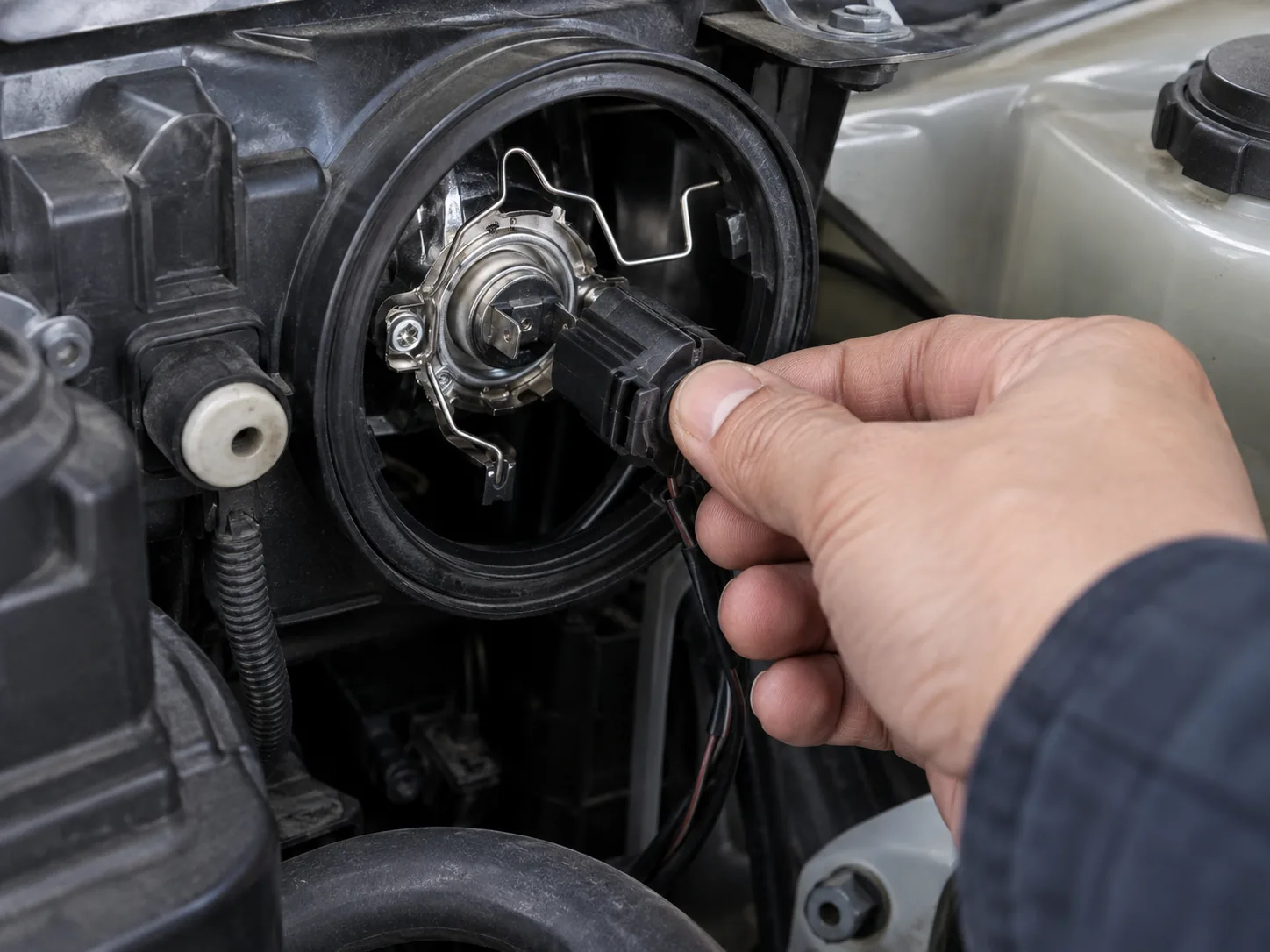
H7 LED Bulb Guide: How to Check Fitment Before You Buy
Check the H7 retainer or adapter, rear clearance and vehicle-specific bulb listing before choosing an LED replacement.
Read the fitment guide →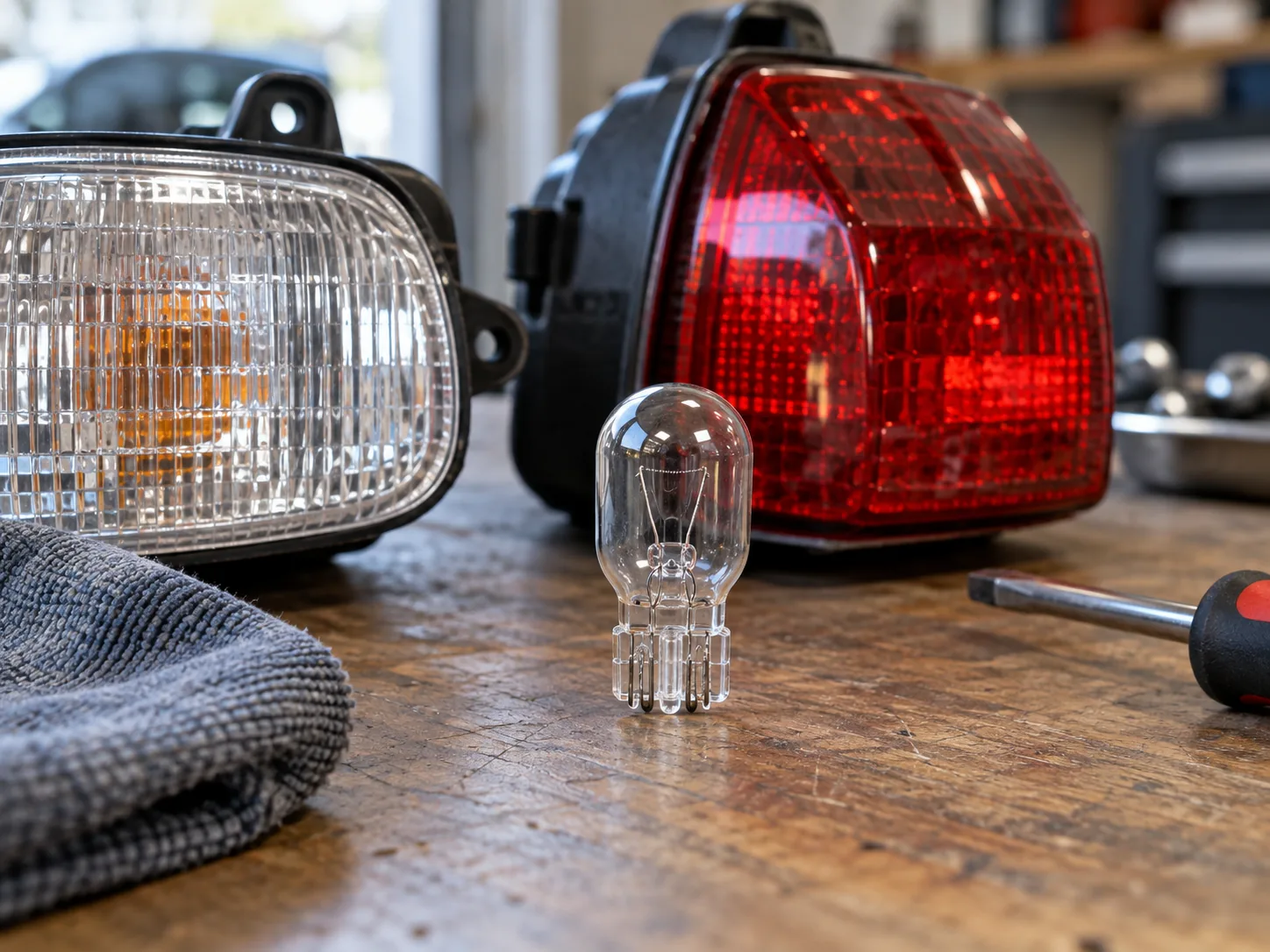
7443 Bulb Guide: Brake, Tail, Turn Signal, and Reverse Light Checks
Match the 7443 socket to its actual vehicle position and confirm the required single- or dual-function behavior.
Read the replacement guide →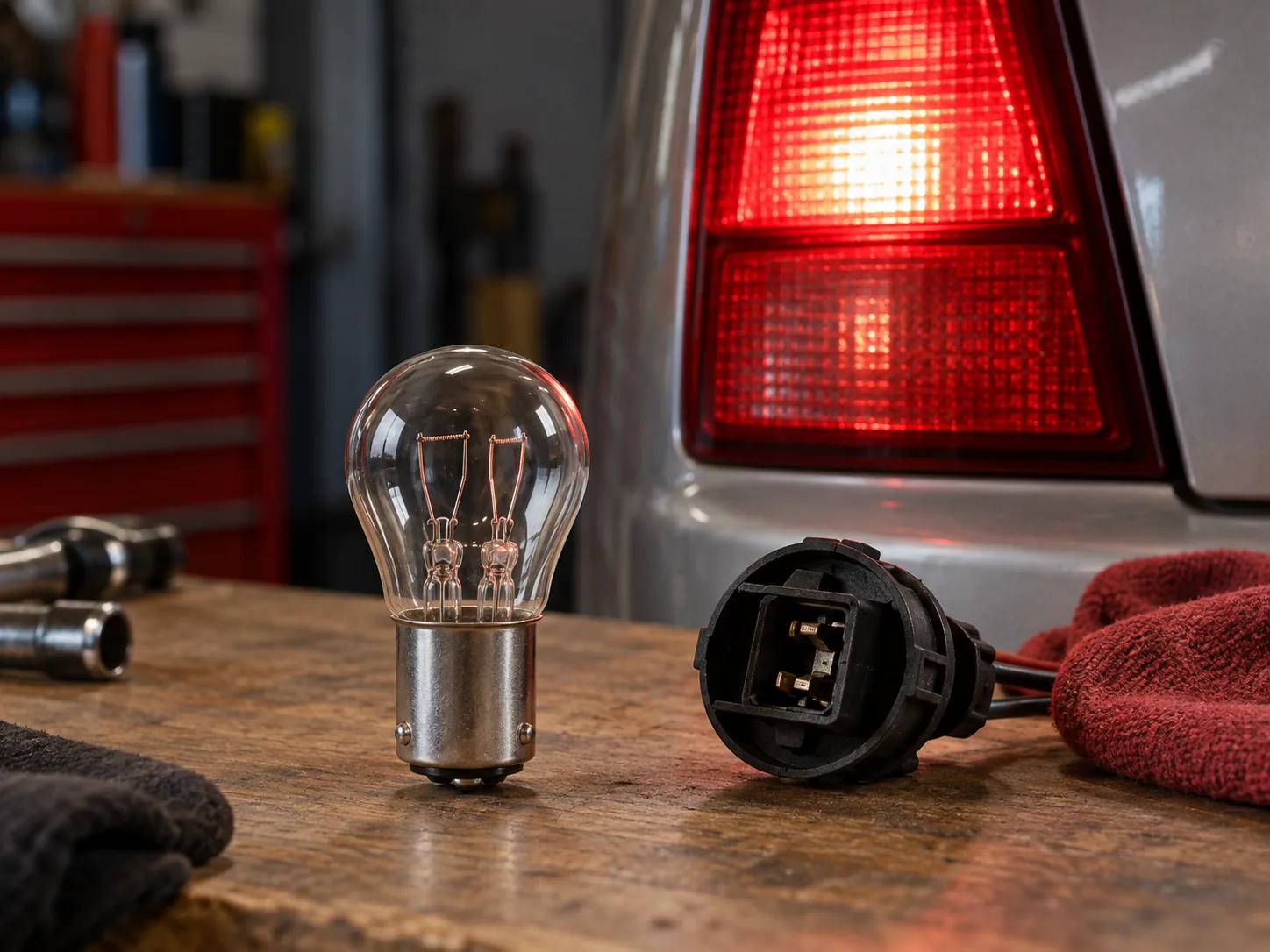
1157 Bulb Guide: Dual-Function Brake and Tail Light Buying Checks
Verify that the lamp uses an 1157 dual-contact bulb, then test the dim tail and bright brake functions after replacement.
Read the replacement guide →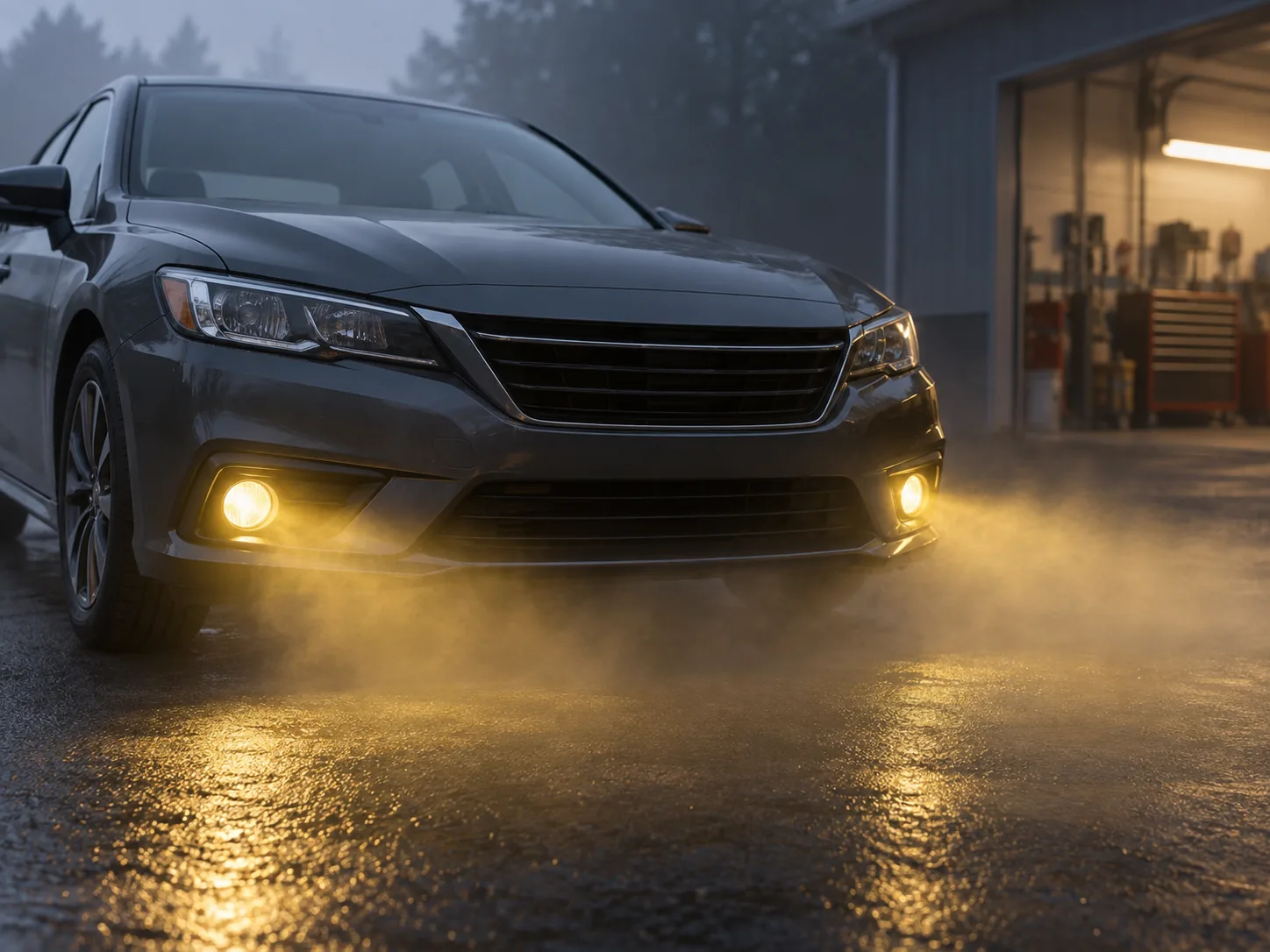
Yellow Fog Lights Guide: When They Help and What to Check Before Buying
Check exact fog-lamp fitment and local rules; yellow color alone does not establish better visibility in every condition.
Read the fog-light guide →Before you buy
Confirm fitment before comparing products
Check year, make, model, trim, lamp position and the bulb marking in your owner’s manual or on the installed bulb. Then confirm housing clearance and local road-use requirements. See our full review process.
Before you buy
- Check the owner's manual and original bulb marking.
- Confirm reflector, projector or factory-LED housing.
- Measure space behind the dust cap.
- Check whether adapters or CANbus components may be needed.
- Review local road-use and inspection requirements.
After installation
- Test low beam, high beam and all lighting modes.
- Inspect the cutoff and re-aim if necessary.
- Check for flicker or dashboard warnings.
- Confirm fans and wiring do not contact moving parts.
- Recheck connectors and dust sealing after initial use.
Safety note: Lighting compatibility and road-use rules vary by vehicle and location. When uncertain, consult the vehicle manual and a qualified automotive technician.
Common questions
Car lighting FAQ
Are higher lumen claims always better?
No. Claimed output does not describe how effectively a housing controls and places light on the road. Beam pattern, emitter position and housing compatibility are critical.
How do I find the correct bulb size?
Start with the owner's manual and the marking on the existing bulb. Then verify model year, trim, housing and high/low-beam position because lookup charts can contain exceptions.
Why can an LED bulb trigger a dashboard warning?
Some vehicles monitor electrical load. A lower-draw LED may be interpreted as a failed bulb, and certain vehicles may require a compatible decoder or additional component.
Should headlights be re-aimed after an upgrade?
The beam should always be checked. If the cutoff or hotspot changes, professional aiming helps improve visibility and reduce glare for other drivers.
Transparent recommendations
Research first. Recommend second.
We distinguish hands-on testing from research, cite evidence and explain limitations. Affiliate links are disclosed.