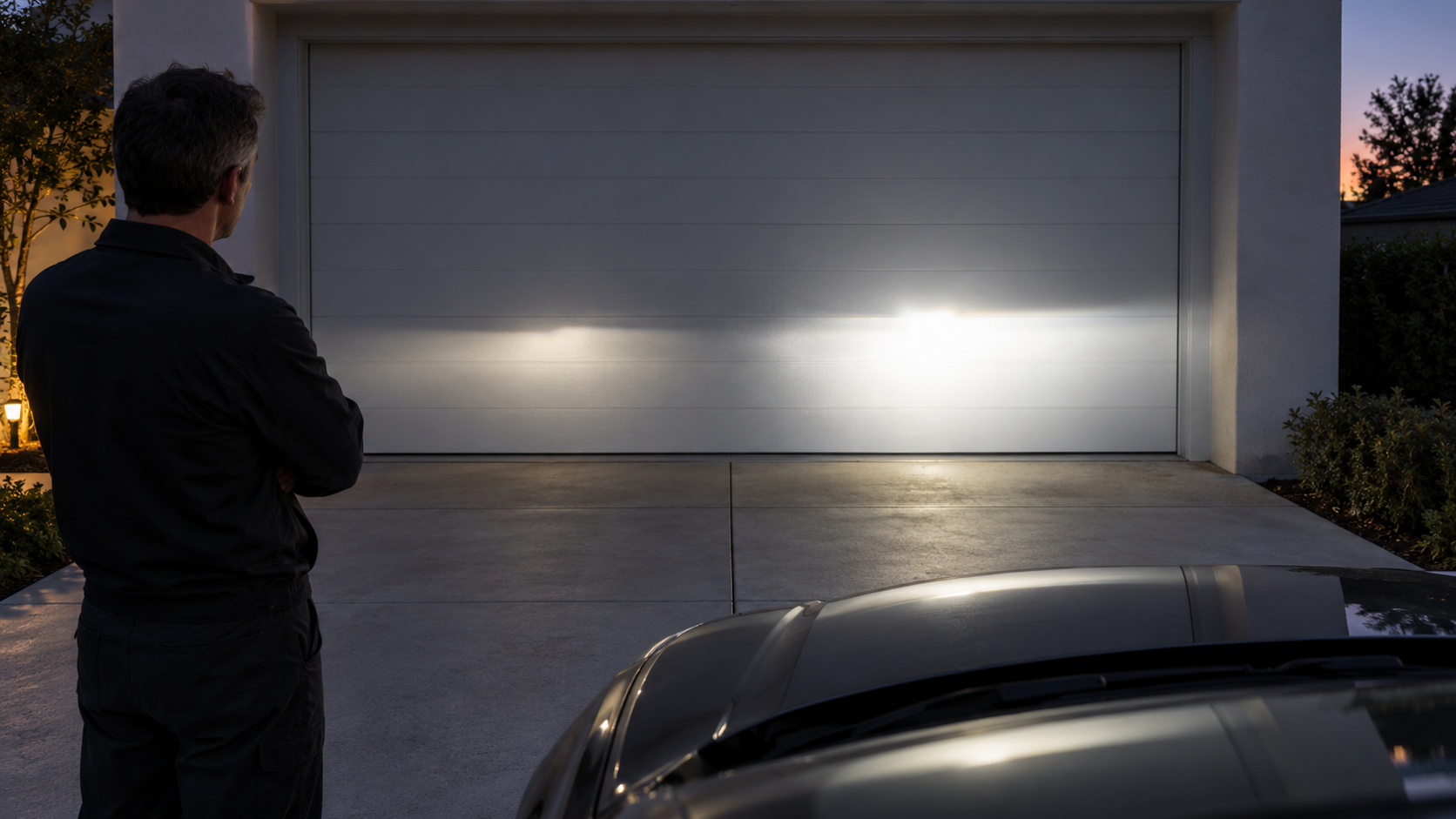

One headlight looking brighter than the other is a clue, not a diagnosis. A bulb, lens, installation, or beam-position difference can change what you see. The useful first question is not “Which bulb should I buy?” but “What changed, and what exactly looks different?”
This guide is for safe observation, not electrical repair or headlamp aiming. Check the owner’s manual before touching a lamp. The Car Lighting hub collects bulb guides; use the headlight adjustment guide for context on why a visual comparison cannot set aim.
Start with when the mismatch appeared
It began after one bulb was replaced: compare the markings or purchase records for both sides with the bulb type listed in the manual. If the manual identifies bulb seating as owner service, check that the recently changed bulb is seated as described, with the lights off and cool. Do not force a connector or touch exposed contacts.
It was present before any recent work: look for an obvious difference between the lamp lenses, such as clouding, a crack, or moisture. A damaged or wet assembly can affect the light reaching the road; another bulb will not repair it. If both lenses and bulb labels appear alike, have the lamp and circuit inspected instead of buying a brighter bulb by guesswork.
Decide whether it is brightness or beam placement
If the amount of light seems different but the beam edges look alike, the comparison still does not prove which component is responsible. If the cutoff or direction differs, treat it as an aim or optical-pattern concern rather than a simple bulb-output issue. NHTSA nighttime-glare and driving-performance research discusses aim in relation to visibility and glare; it is not a vehicle-specific DIY setting. Do not turn an adjustment screw based on a wall impression. Have a qualified shop check aim using the procedure for your vehicle.
A color difference is another reason to compare bulb type, model, and age before assuming a wiring fault. Flicker, a warning, repeated fuse failure, or a damaged connector needs a different response; note when it occurs and have persistent electrical symptoms checked by a qualified technician. A flicker by itself does not show that a decoder or resistor is needed.
Know when to stop
Switch the lights off if you notice smoke, a burning smell, melted insulation, water inside the housing, or a fuse that keeps failing. Never install a larger fuse to keep a lamp working. If a required headlamp is unreliable, avoid night driving or poor-visibility conditions until it is repaired.
Check road-use rules before choosing an LED conversion
In its February 13, 2024 interpretation, NHTSA said that under FMVSS No. 108 as described at that time, no LED replaceable light source was permitted in a replaceable-bulb headlamp. It also discussed owner modifications and state regulation. NHTSA’s October 6, 2026 announcement describes a negotiated rulemaking process, not a final rule changing the standard. Verify current federal and state requirements for your intended use; this is not legal advice.
After confirming the exact vehicle application and that your intended road use is permitted, you can compare current AUXITO headlight bulb options. The collection does not confirm fitment for a specific vehicle. Affiliate disclosure: We may earn a commission if you buy through this link, at no additional cost to you.
We did not measure output, conduct a beam test, or independently test products. This research-based guide helps identify what to verify next; your manual and a qualified inspection remain the sources for vehicle-specific procedures.